Meet the Rivals: 30 Years of Bad Blood in Firebrook Valley

In Firebrook Valley, the mountains aren't the only things with deep roots. For thirty years, two powerful families have lived on opposite sides of the river, sharing nothing but access to the water and a mutual, simmering distrust.

If you’re looking for the high-stakes intrigue of a family saga like Dallas, look no further than the Burkes and the Hollistons .

The Self-Made Battering Ram: The Burkes 🔨

Cody Burke didn't start with much, but he built an empire through sheer ingenuity and relentless grit.

Celia Burke (Cody’s wife) tragically died on a trail ride in the mountains.

Drew Burke is the "find out" part of the FAFO equation. He’s the battering ram of the family, a man who values a handshake over a bloodline and will tear down a mountain to protect his sister, Nora.

Nora Burke is the youngest and the most likely to cross feud lines first if someone on the other side needs her.

The Old-World "Fixers": The Hollistons

Gabe Holliston was born into wealth and connections, ruling from a world of hidden doors and exclusive clubs .

Beth Holliston, his ex-wife.

Bella Holliston is the family "fixer". She is a successful CEO who has mastered the art of composure, holding her family together even as her father’s volatile ambition threatens to derail them.

Evan Holliston is the wild child. He’d rather not return to Firebrook Valley, but he will when he’s needed.

Brady Holliston is the youngest and most likely to head off on an adventure to uncover the truth.

The Spark

The feud started long before Drew and Bella were born, but it's only getting worse. When their younger siblings get tangled up in it, working together is suddenly more important than old wounds.

In this world, the only thing more dangerous than a rival is falling for one.

But love always finds a way.
Ruth CardelloComment
Giraffes at the Zoo: Why I Was "Quietly" Asked to Leave the Library
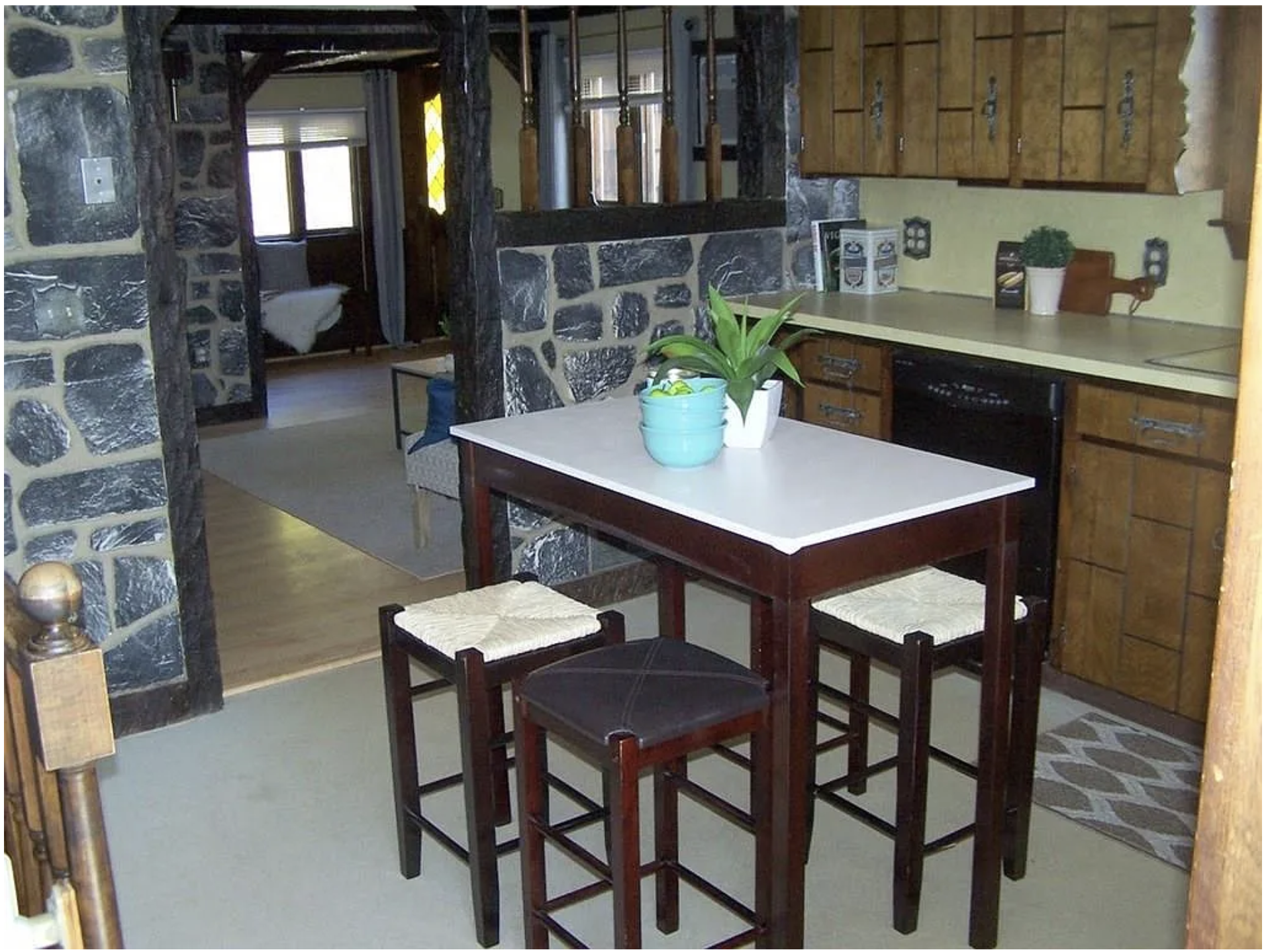
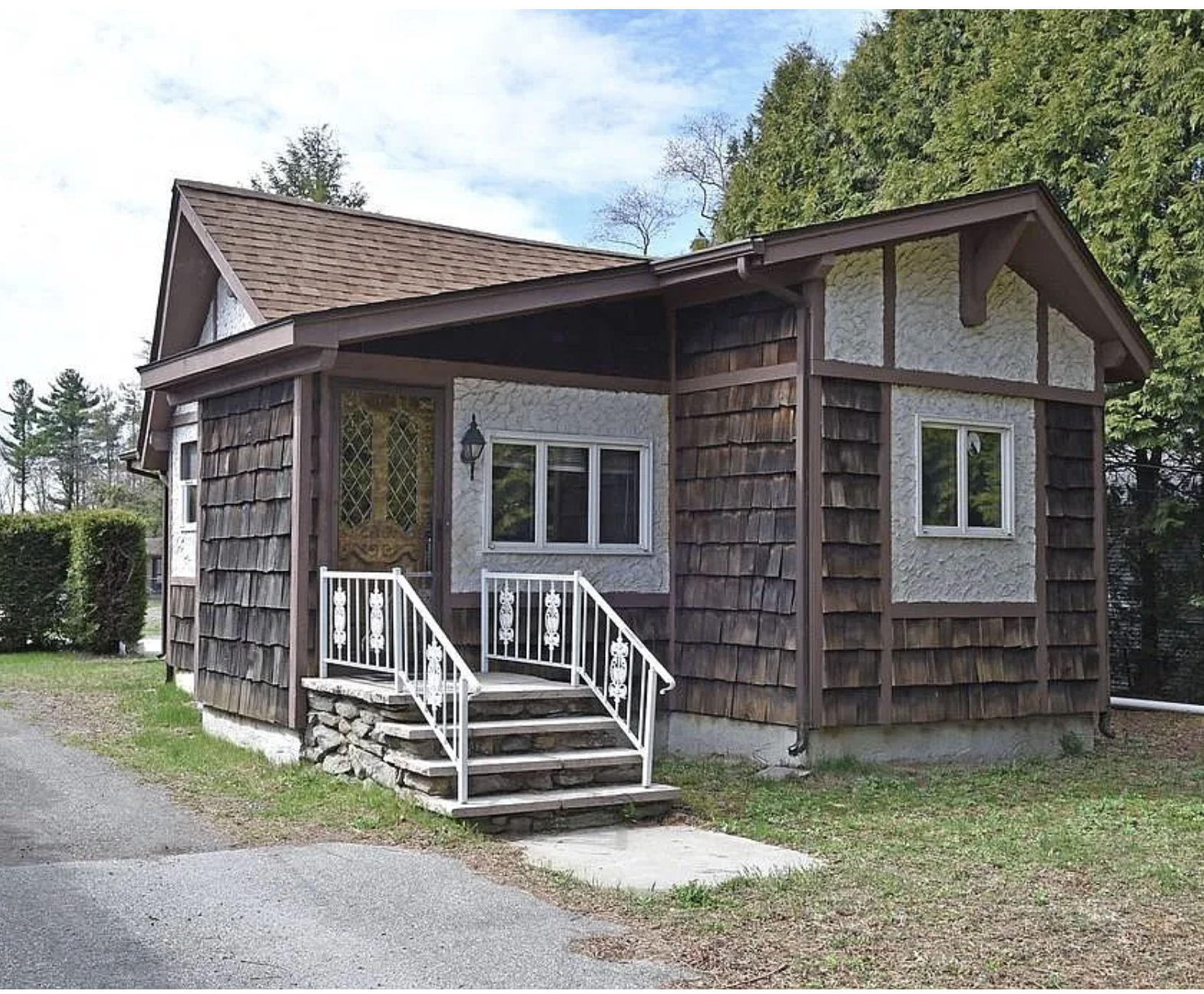
My old writing office

Let’s go back to a time when my life was a little more crowded and my office was a kitchen table.

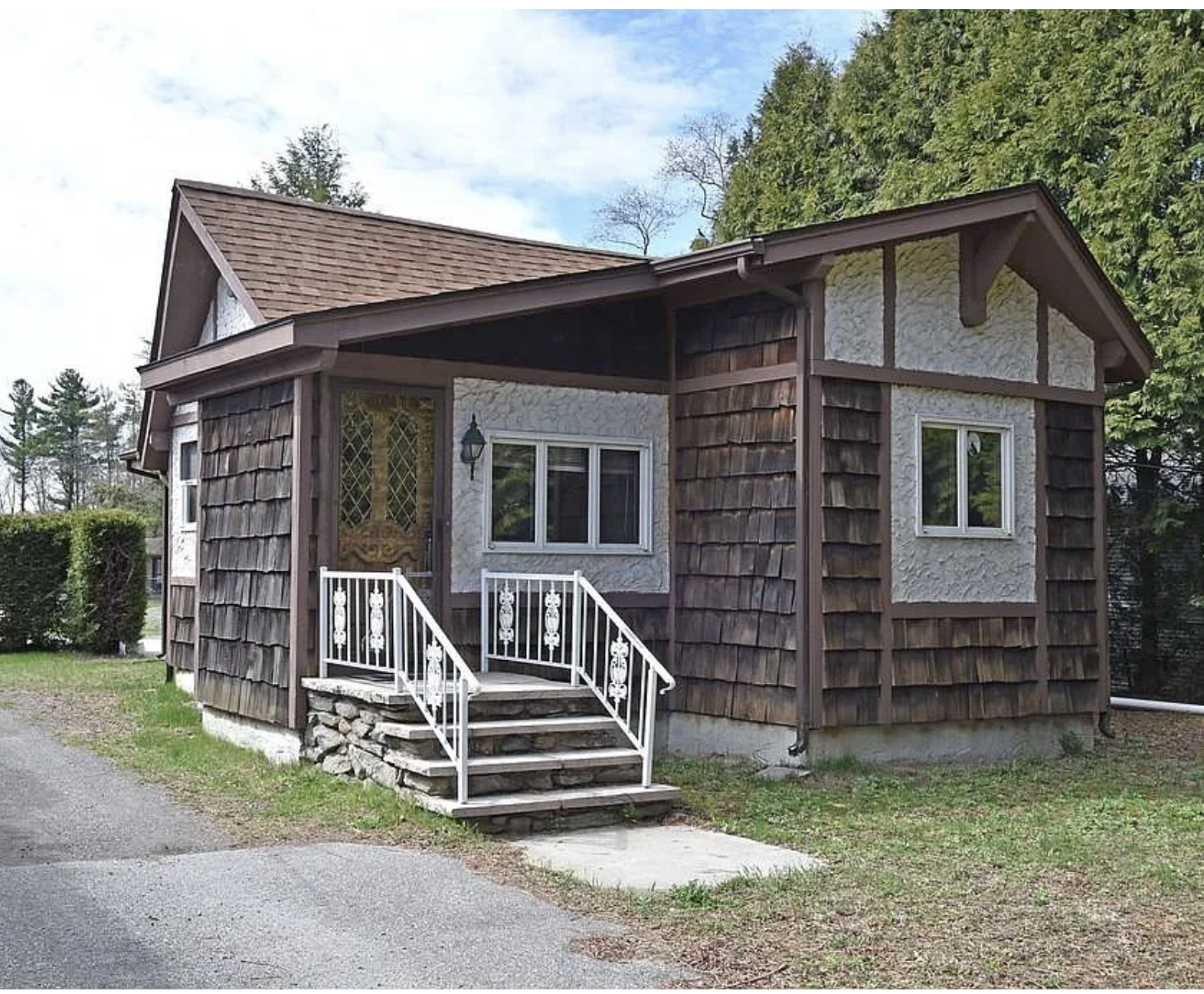
Before the high-rise offices and the sprawling family sagas of Firebrook Valley, my husband, our three kids, and I lived in an 850-square-foot house. Calling the small patch of floor in front of our sink and refrigerator a "kitchen" was generous, and calling that table my "office" was even more so. It was loud, it was chaotic, and looking back, it was a time I’ll always miss—even if the fatigue was very, very real.

The Great Escape

Sometimes, the chaos won. Maybe the roof was being fixed, or maybe everyone was home at once, but on this particular day, I needed to hit a deadline. I grabbed my laptop and headed to our local library.

Between writing in my car during my oldest daughter's cheerleading practices or on park benches, I was a pro at writing anywhere. I found a spot, put my headphones on, and completely fell into the story. I was having one of those rare, furiously productive days where the words just flow.

The "Private Room" Offer

I was deep in the zone when a librarian approached me. She asked if I wanted a private room. I pulled back my headphones, looked around at the relatively quiet library, and gave her a polite smile.

"No, I’m perfectly fine writing right here, thank you," I said.

She paused, then asked, "Then I wonder if you would like to write somewhere else?"

That’s when it hit me. She wasn’t offering me a quiet place to focus; she was asking me to go anywhere else but there. My hands went up to my face and I realized my cheeks were soaking wet. The scene I was writing was so emotional that I was sitting in the middle of a public library, sobbing my heart out.

The Giraffe and the Zoo

I was tempted to tell her that I was a New York Times Bestselling author and that libraries are where we belong—it’s like asking a giraffe not to be at the zoo! But then I looked at the quiet, overtly curious people around me and realized I had very publicly lived out the scene in my head.

Mortified, I stuffed my laptop into my bag and practically ran for my car.

The Magic in the Middle

That was the last time I wrote in a library, though I’ve continued to write in cars, at cheer events, and in fields while my daughter rides our horse. I just choose my locations more carefully now, places where if I start laughing because my characters are hilarious or crying because they’re suffering, and nobody cares.

I share this because it was one of my most embarrassing moments, but also because it shows how real these stories are to me. When my characters are falling in love, I’m falling in love right along with them. When they are sad, I am sitting in that space with them.

People say the journey is more incredible than the destination, and that encapsulates writing for me. Reaching "The End" is incredible, and the blank page is scary, but the magic that happens in the middle? I wouldn't want to miss a moment of it.

The Soul of the Story: Why Characters Always Come First

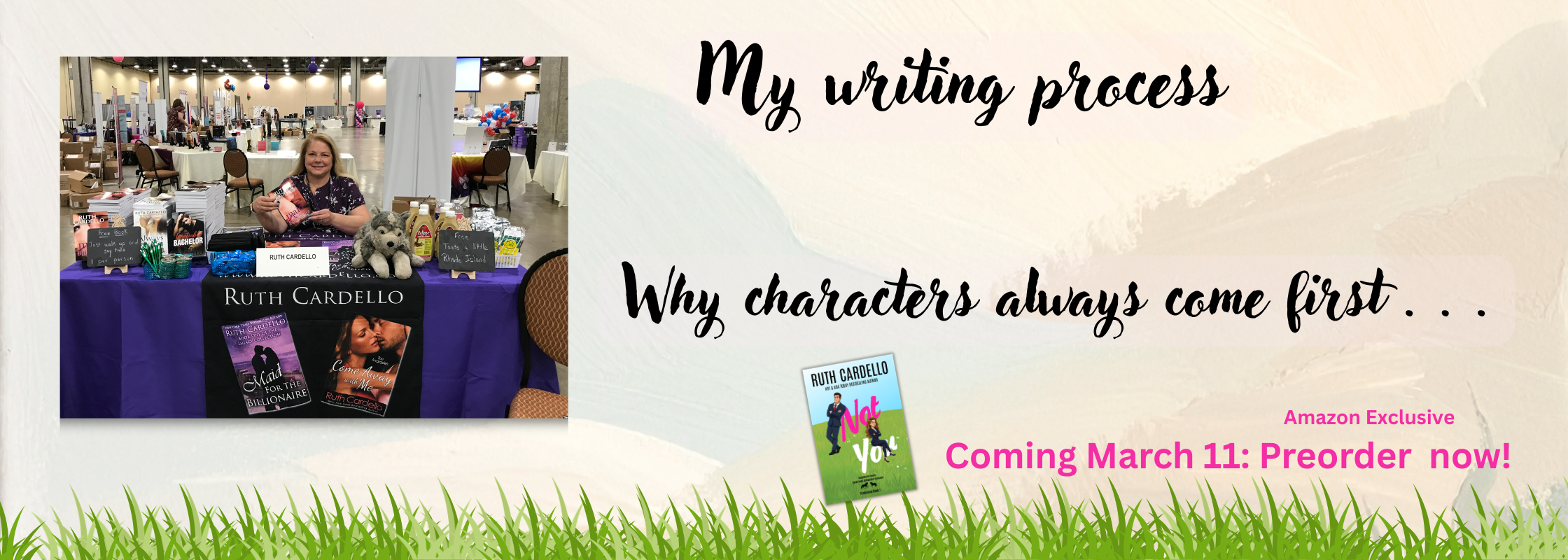
I am, and have always been, a character-driven romance author. People often ask me how I keep a world of over 50 books interconnected and alive, and the answer is simple: it always starts with the people.

Before I can write a new series like Firebrook Valley, I have to imagine who lives there. I might have a vague idea of a location or a plot, but before a single word of the story hits the page, I fill notebooks with what motivates a character.

I knew the entire backstory of Gabe Holliston—his relationship with his ex-wife, his parents, and exactly how he interacts with his children—long before I wrote the first scene. I know what is strong in him and what is broken. As I imagine him raising his children, I look at them through both his eyes and theirs. What were their challenges? Who would they have been to each other?

Then, I ask the most important question: What do these characters yearn for?

When I imagined the Burkes, I spent just as much time getting to know their history and their failures. I need to know what they are proud of and what they are ashamed of. Who are they in their best moments, and who are they in their worst?

Once I know them, I look for the match. Why do these two people, out of everyone I could imagine, belong together? Do they bring out the best in each other? Only when I have that answer do I set the notes aside and create the "plot" for them to work through.

By the time the "magic" starts, they are real to me. When they struggle, I’m rooting for them. When they cry during a scene, I’m crying right along with them. And when I finally write the words "The End" on a happily-ever-after, I’m smiling in exactly the way I hope you are.

That reminds me, I should post about the time I was asked to leave a library . . .

Not You (Firebrook Valley Book 1)